We use cookies to help provide you with the best possible online experience.
By using this site, you agree that we may store and access cookies on your device. Cookie policy.
Cookie settings.
Functional Cookies
Functional Cookies are enabled by default at all times so that we can save your preferences for cookie settings and ensure site works and delivers best experience.
3rd Party Cookies
This website uses Google Analytics to collect anonymous information such as the number of visitors to the site, and the most popular pages.
Keeping this cookie enabled helps us to improve our website.

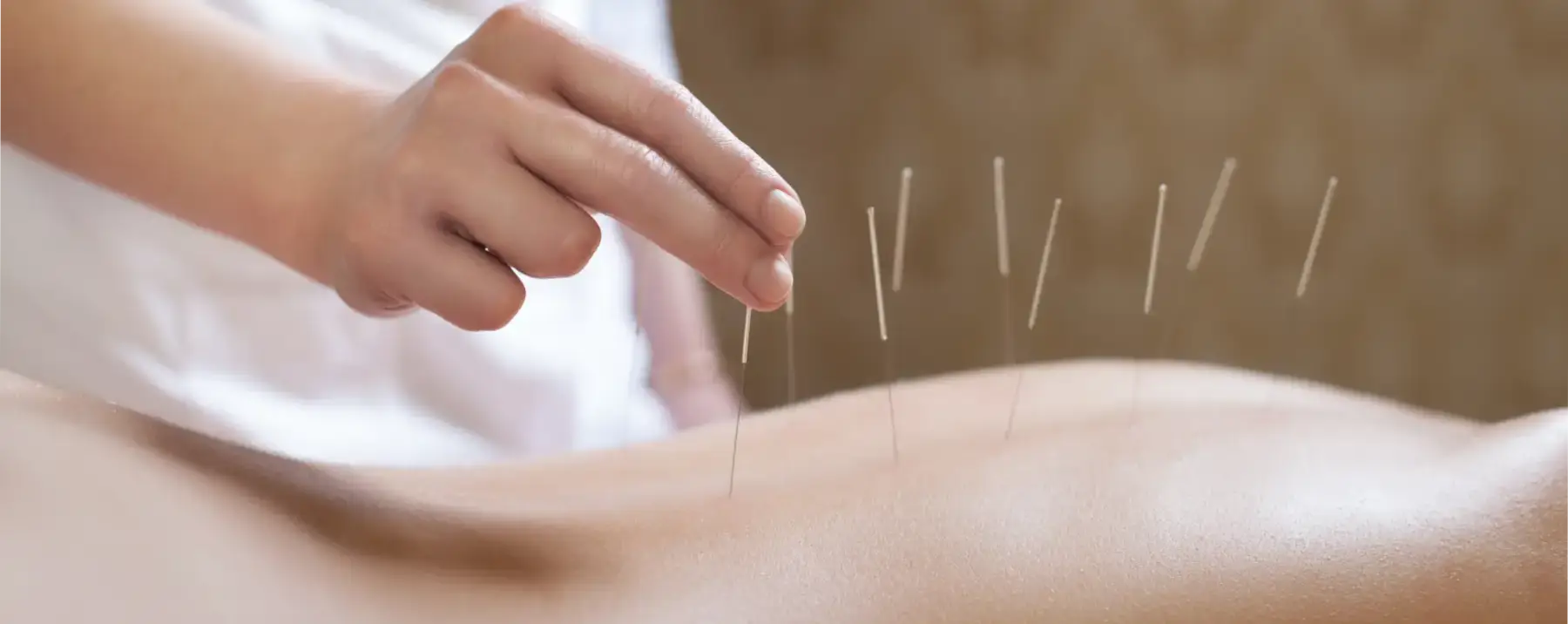
Acupuncture
Patient information leaflet
Information about this service
This is a nurse led acupuncture clinic that was started in September 2015 and operates on a private basis out of Parkbury House Surgery on Thursday afternoon/early evening.
Where possible, patients are treated in a group setting. A small charge of £15 per treatment is be levied at this clinic.
Below are frequently asked questions to help you in your decision making around treatment, and details as to how to go about making appointments.
Frequently Asked Questions
What is acupuncture?
Acupuncture is a method of treating various ailments by inserting fine needles into the skin. It probably developed in China over 2000 years ago. It was thought by the ancient Chinese, that acupuncture altered the flow of energy (chi) through a system of channels or Meridians which run through the body, encouraging self-healing to occur.
This is difficult to understand from the conventional point of view, so a more “orthodox” explanation has developed, based on scientific research. By stimulating nerves in the skin and muscles, acupuncture has been shown to have a variety of effects. We know that it can increase the body’s release of natural painkillers (endorphins), and can also modify the way pain signals are received in the brain.
Modern research has shown that acupuncture can affect many other of the body’s systems, including muscles, hormones, circulation and immunity, and thereby often can have a beneficial effect on health and well being, not just pain.
What sorts of conditions respond?
The list of conditions in which acupuncture can be used is almost inexhaustible. We find it most useful in the alleviation of pain, particularly occurring in muscles and joints. Neck pain, lower back pain and joint pain due to arthritis often responds well.
It is also very useful for the prevention of migraine and the management of irritable bowel syndrome, hayfever, sinus congestion, morning sickness and hormonal problems such as period pains and premenstrual syndrome. It can help addictions, and has been used for smoking cessation but the evidence shows that it is no more effective than more routinely available measures such as patches, and it is not a treatment that we offer routinely.
What to expect?
Needles are inserted, usually very superficially, anywhere on the body and often in paradoxical places. For example, an acupuncture point on the foot can be very effective at treating hayfever. They may be inserted in tender areas in muscles, which are known as trigger points or else ‘acupuncture points’. A number of these points are well recognised, and are known to be effective in different conditions and therefore tend to be used by preference. Occasionally we use electro-acupuncture whereby a low voltage current is passed through two or more needles at varying frequencies to provide a stronger stimulation.
The duration of each treatment can vary from less than a minute (for example in the treatment of very tender "trigger" points) to 15 to 20 minutes for other problems, but 10 minutes is a good average. Because the needles are so fine there is only the slightest prick as the needle pierces the skin. Afterwards it is possible to have a variety of sensations from nothing at all to a sensation of heaviness, a tingling feeling like pins and needles, or a sensation of numbness. If the needle is advanced further then there may be a duller sensation of pain or heaviness of a limb, which may last for some time afterwards.
Some patients experience a feeling of profound relaxation, which is usually pleasant in nature. Others feel that their general well-being is improved. It is possible for a few susceptible individuals to feel faint, but this is usually short-lived and subsides when the needle is removed (for this reason we will always treat patients lying down on the first occasion).
Are there any special precautions before or after treatment?
Fainting is rare but more likely if treatment is carried out 'on an empty stomach'. After treatment we advise trying to relax (!) and avoiding strenuous exercise or other activity and more than one or two alcoholic drinks. Acupuncture can have a relaxing and even sedative effect so always take special care if you are driving home.
How long is a course of treatment?
This will depend on the condition being treated and the individual's response to acupuncture. It is our usual practice to offer at least 4 weekly treatments initially and then to and space treatments out according to the response and whether there has been significant benefit. It may be necessary to continue with treatment long term particularly with chronic (i.e. long-term) conditions, to maintain the benefit. This is usually at a frequency of once a month or less.
How effective is acupuncture?
Most published studies show a success rate in the order of 70%. Our aim in chronic conditions is to reduce to severity and frequency of distressing symptoms and reduce dependency on medication. This mirrors our own experience over more than 20 years and is also backed up by a recent survey of patient experience across a range of conditions.
Is acupuncture safe?
The needles we use are individually sterilised and disposable. They are used on one subject only before being discarded. Several studies have shown that the risk associated with acupuncture in trained hands is extremely small. Bruising can occur and occasionally this can look startling especially when points on the face have been used. It is important to try and rest after treatment and avoid alcohol, particularly as
acupuncture can cause a degree of drowsiness along with relaxation as mentioned above. There is considerable evidence of safety in pregnancy and we treat morning sickness and other pregnancy related concerns.
Of course acupuncture can be painful and different patients will experience pain on needle insertion, to differing degrees. However, because the needles we use are so fine there is usually only minimal discomfort as the needle is inserted, and then for the majority of patients this is replaced by a pleasant sensation, which is often described as 'relaxing'.
Very rarely indeed acupuncture around the chest cavity has been known to cause a condition known as a pneumothorax ('punctured lung'). Although this is extremely unusual (and every effort will be made to ensure this does not happen), this can be a serious condition and therefore it is very important to seek medical attention in the event of any unexpected chest pain or breathlessness soon after treatment.
There are very few patients in whom acupuncture cannot be performed. Clearly there are a few patients with a needle phobia who will automatically rule themselves out! Electro-acupuncture is not performed in patients with pacemakers. Patients with bleeding disorders or those on warfarin need to be treated carefully, as do those who have damaged or artificial heart valves which pose a potential risk of infection.
Similarly, needles are not inserted into areas of broken or infected skin. If you have any concerns, please speak to the doctor or nurse treating you.
How to make an appointment?
For an appointment or further information, please contact Marion Richardson on 07788 674849 or visit the St Albans Medical Acupuncture Clinic website
There is usually a wait of 3 or 4 weeks before treatment can begin, but in urgent cases (such as conditions causing severe pain or distress) treatment can usually be started much sooner than this.
Further information
Further information about acupuncture can be obtained from the British Medical Acupuncture Society:
BMAS House
3 Winnington Court
Northwich
Cheshire
CW8 1AQ
Telephone: 01606 786782